Motorcycles on Ice in Massachusetts: What’s Actually Safe and What the Law Says
Recent Posts



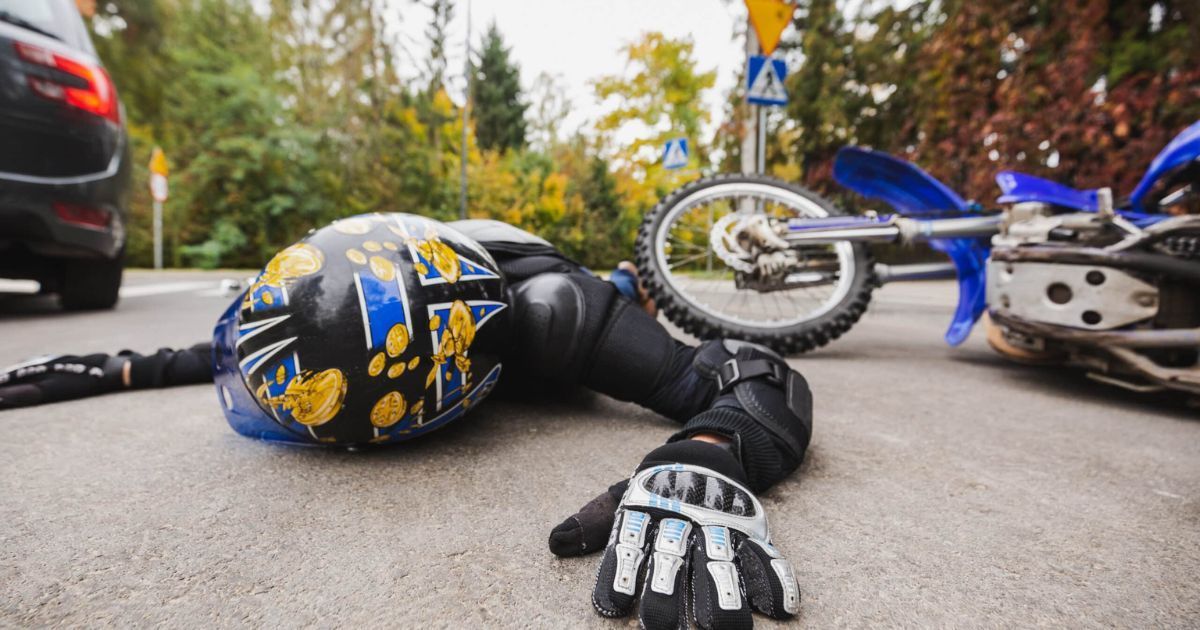



The safest choice is to skip riding your bike on icy roads, since ice drastically cuts tire traction and may lead to abrupt loss of control, even for seasoned motorcyclists.
- Helpful Motorcycle Features: Prioritize bikes with ABS (reduces fatal crash risk by 22-31% per IIHS studies), traction control, and motorcycle stability control (MSC) to manage braking, wheelspin, and stability; bike design like lower seat height and balanced geometry offers minor benefits, but electronics and tires are key.
- Tires and Legal Rules: Use winter tires for better cold-weather flexibility and grip, though limited on pure ice; studded tires are legal in Massachusetts from November 2 to April 30 (prohibited May 1-November 1 per General Laws Chapter 90, Section 16), with fines up to $50 for violations-always confirm with MassDOT.
- Post-Accident Steps: If you hit black ice, move to safety, document the scene (photos/videos of ice, weather, tires, footage), gather witness/police info, and seek medical care-preserve evidence for liability claims.
- Legal and Compensation Insights:
Massachusetts follows modified comparative negligence (no recovery if you're 51%+ at fault, reduced if 50% or less); premises liability may apply if ice stems from negligent property maintenance; consult a lawyer for winter crash claims involving runoff or poor salting.
Are Any Motorcycles “Safe” on Ice?
No motorcycle is truly safe on ice. Instead of looking for a bike that eliminates risk, focus on features that improve your odds of maintaining control. Anti-lock braking systems (ABS), traction control, and motorcycle stability control (MSC) can reduce crash risk, but they cannot change the laws of physics.
Features That Actually Help on Slick Winter Roads
ABS: Why It Matters in Low-Grip Conditions
Anti-lock braking systems (ABS) prevent wheels from locking during sudden braking. Research from the Insurance Institute for Highway Safety (IIHS) shows motorcycles equipped with ABS have a 22% lower fatal crash rate than those without it. Other studies suggest reductions of up to 31%. ABS is one of the most important safety features for riders in slippery conditions.
Traction Control & Motorcycle Stability Control (MSC)
Modern motorcycles often come with traction control systems and full MSC. These technologies reduce wheelspin, cut power when needed, and manage braking forces while leaning. On icy surfaces, they can make the difference between regaining traction and crashing-though even these systems have limits when grip is nearly zero.
Bike Design Factors
Seat height, geometry, and balance can influence stability. A lower seat height and balanced center of gravity make it easier to handle the bike smoothly, but these factors are secondary to tires and electronics.
Tires & Massachusetts’ Studded-Tire Rules
Winter Tires and Compounds
Winter motorcycle tires (where available) use compounds designed to stay flexible in cold weather and tread patterns that grip slick surfaces better than standard tires. While they offer an advantage, even the best winter tire provides limited safety on pure ice.
Studded Tire Legality in Massachusetts
Under Massachusetts General Laws Chapter 90, Section 16, metal studded tires are prohibited between May 1 and November 1. During the winter months (November 2 through April 30), studded tires are legal. MassDOT also confirms that studded snow tires are permitted from November through April. Violating the law can result in a fine of up to $50.
Two Wheels vs. Three: Trikes and Sidecars
Three-Wheel Motorcycles (Trikes)
Trikes and Can-Am Spyder-style vehicles offer a wider track, built-in stability, and often electronic assists like ABS. While they are more stable than two-wheel motorcycles, they still slide on ice and require cautious braking and cornering.
Sidecar Rigs
Sidecar rigs don’t tip over as easily, but their handling is complex. Braking distances increase on icy roads, and cornering remains unpredictable. They may be “less risky” than two wheels, but they are not safe from the dangers of ice.
If You Hit Black Ice: Immediate Steps and Evidence to Preserve
1. Move to safety and prevent secondary collisions.
2. Take photos and videos of the ice patch and surrounding road conditions.
3. Record time, temperature, and weather conditions.
4. Document your motorcycle tires and any equipment (studs, ABS, etc.).
5. Save helmet-cam or dashcam footage.
6. Collect witness information and police reports.
7. Seek medical care and preserve all related records.
This evidence can be crucial for proving liability and minimizing disputes over fault.
Who Pays After a Winter Motorcycle Crash in Massachusetts?
Comparative Negligence Rule (51% Bar)
Massachusetts uses a modified comparative negligence system. If you are 51% or more at fault, you cannot recover damages. If you are 50% or less at fault, you can recover compensation, but it will be reduced by your percentage of fault. This makes evidence preservation especially important in icy-road crashes.
Premises Liability for Ice Hazards
When ice results from negligent property maintenance-such as runoff from a parking lot that freezes across a roadway-property owners may be liable. These cases often hinge on maintenance records, drainage design, and whether warnings or salt were provided.
FAQs: Motorcycles and Ice in Massachusetts
Which motorcycles are safest on ice?
No motorcycle is safe on ice. The safest choice is not to ride. For riders who must, ABS, traction control, and winter or studded tires (legal Nov–Apr in MA) can help reduce-though never eliminate-risk.
Are studded motorcycle tires legal year-round in Massachusetts?
No. Massachusetts law prohibits studded tires between May 1 and November 1. They are only legal from November 2 through April 30.
Do ABS and traction control help on black ice?
Yes, they can prevent wheel lock and reduce skids, but on pure black ice traction may be so limited that even these systems cannot prevent a crash.
Would riding a trike or sidecar be safer in winter?
Trikes and sidecar rigs offer stability against tipping, but they still slide on ice. They may reduce some risks but are not immune to icy-road dangers.
Can I recover damages if I crash on ice in Massachusetts?
Yes, if you are 50% or less at fault under Massachusetts’ comparative negligence law. Property owner negligence may also play a role if ice runoff caused the hazard.
Contact a Massachusetts Motorcycle Accident Lawyer
If you were injured in a winter motorcycle accident in Massachusetts, you don’t have to navigate the legal aftermath alone. Contact Jason Ranallo Law today for a free case review. We help riders across Norfolk, Middlesex, Worcester, and surrounding counties protect their rights and recover compensation after an accident.