
Winter Driving Hazards in Massachusetts
Recent Posts





Frequently Asked Questions (FAQ)
What’s the Most Common Cause of Motorcycle Accidents in Massachusetts?
Failure to yield by car drivers, especially during left-hand turns, tops the list, causing nearly 40-50% of multi-vehicle crashes. This aligns with the 1,800-2,000 annual incidents, particularly in busy Norfolk and Bristol counties.
Are Motorcycle Accidents More Deadly in Massachusetts Than Elsewhere?
Yes, somewhat-80% of crashes here result in serious injury or death, higher than the national average (around 60–70%), due to dense traffic and rural road risks. The 450 deaths over 10 years reflect this elevated severity.
How Does Weather Affect Motorcycle Crashes in Massachusetts?
Rain and snow significantly increase crash risk by reducing traction, contributing to the 66% of fatalities on rural roads like those in Plymouth County. Wet weather likely factored into dozens of the 160-180 county deaths since 2015.
Can I Sue If a Pothole Caused My Accident?
Yes, if poor road maintenance caused the crash, you might sue the responsible municipality (e.g., in Plymouth or Bristol counties). You’d need to prove negligence and file within three years, though such cases are tough to win.
Does Not Wearing a Helmet Make Accidents More Common?
No, it doesn’t cause crashes, but Massachusetts’ mandatory helmet law (90% compliance) reduces fatality severity. Non-compliance, rare here, might worsen outcomes, as seen in some of the 24 young rider deaths in 2018.
Why Are Intersections So Dangerous for Motorcyclists?
Intersections combine high traffic, turning vehicles, and visibility issues-41% of serious injuries occur there. In Brockton (Plymouth County) or Quincy (Norfolk County), these factors likely drove many of the decade’s 60–120 fatalities.
- Winter driving in Massachusetts involves hazards like snow, ice, and reduced visibility.
- It seems likely that cold temperatures and vehicle preparation also pose significant risks during this season.
- The evidence leans toward the importance of cautious driving and maintenance to mitigate these hazards.
Winter in Massachusetts brings cold temperatures, snow, ice, and shorter daylight, creating challenging conditions for drivers. From urban areas like Quincy to rural towns like Abington, understanding these hazards can help ensure safety.
Main winter Hazards in Massachusetts
- Snow and Ice: Make roads slippery, increasing accident risks, with black ice being particularly dangerous.
- Reduced Visibility: Due to snow, fog, and darkness, making it harder to see other vehicles or hazards.
- Vehicle Readiness: Ensure tires, wipers, and batteries are winter-ready to prevent breakdowns.
- Cold Impact: Affects vehicle performance, like tire pressure and battery life, requiring regular checks.
Winter in Massachusetts, typically from December to February, is characterized by cold temperatures, with average lows dropping to 19°F in Boston by late January, as noted by
Weather Spark - Winter Weather in Boston, Massachusetts. This season brings frequent snowstorms, icy roads, and reduced daylight, creating significant driving hazards. This report details the key winter driving hazards, supported by recent statistics and safety recommendations, focusing on their relevance across Massachusetts.
Understanding Winter Weather in Massachusetts
Winter weather in Massachusetts is defined by cold, snowy conditions, with temperatures often below freezing, as per Seasons in Massachusetts: Weather and Climate. The season, starting meteorologically on December 1 and astronomically around December 21-22, brings frequent snowstorms and potential for black ice, particularly in January and February, as described in Climate of Massachusetts - Wikipedia. These patterns affect driving conditions across the state, including urban centers like Quincy and rural areas like Uxbridge, necessitating heightened driver awareness. Here are some important winter hazards to consider:
Snow and Ice on Roads
Snow and ice are the most common and dangerous winter driving hazards in Massachusetts. Snow reduces traction, making it harder for vehicles to stop or maneuver, while ice can turn roads into slippery surfaces where even slight movements can lead to loss of control. Black ice, a particularly insidious hazard, forms when moisture on the road freezes, creating thin, nearly invisible patches of ice. This is especially common in the early morning or evening when temperatures drop. According to the Federal Highway Administration (FHWA), icy roads cause nearly 160,000 car crashes annually, far more than any other weather-related hazard, with 40% of weather-related accidents occurring on snowy, slushy, or icy pavement or during snowfall or sleet. In Massachusetts, these conditions are exacerbated by the state's frequent snowstorms, affecting towns like Taunton and Westborough.
Table 1: Snow and Ice-Related Crash Statistics
| Statistic | Value |
|---|---|
| Annual Icy Road Crashes | Nearly 160,000 (Nationwide) |
| Weather-Related Crashes on Snowy/Icy Pavement | 40% (Nationwide) |
| Annual Injuries from Snow/Ice Crashes | Over 135,000 (Nationwide) |
| Annual Fatalities from Snow/Ice Crashes | Annual Fatalities from Snow/Ice Crashes |
Tips for Managing Snow and Ice:
- Drive slowly to maintain control, especially on rural roads in areas like Mendon.
- Increase following distance to allow for longer stopping times, crucial in towns like Framingham with heavy traffic.
- Avoid sudden braking or sharp turns, as these can cause skidding, a precaution necessary in all listed towns.
Reduced Visibility
Winter weather often leads to poor visibility, a significant hazard for drivers. Snowstorms can obscure windshields and roads, while fog, common in low-lying areas, can drastically reduce sight distances. Additionally, the shorter daylight hours during winter mean more driving occurs in the dark, with December solstice in Boston having 6 hours 12 minutes less daylight than June, as noted in
Spada Law Group - Blinded by the Light: Sun Glare Not a Good Defense for a Car Accident. These factors combine to make it harder for drivers to see other vehicles, pedestrians, or road hazards, increasing the likelihood of collisions, particularly in urban areas like Quincy.
Causes and Effects of Reduced Visibility
- Snowstorms can limit visibility, especially when combined with water spray from trucks on highways, affecting areas like West Bridgewater.
- Fog can reduce sight distances, a concern in rural areas like Southborough with low-lying terrain.
- Limited daylight increases nighttime driving, a safety issue across all listed towns, especially in industrial areas like Attleboro.
Legal and Safety Tips
- Use low beams or fog lights in snowy or foggy conditions; high beams can reflect back and worsen visibility, a recommendation supported by Can MA Drivers Use Their Hazard Lights During Inclement Weather?.
- Keep your windshield clean and use windshield washer fluid regularly, especially important in areas with road grime like Norton.
- Slow down and increase your following distance when visibility is poor, a strategy useful in rural areas like Upton.
Vehicle Preparation
Proper vehicle maintenance is critical for safe winter driving. Using the wrong tires, such as bald or worn all-season tires, can significantly increase the risk of accidents. Snow tires are highly recommended for better traction on snowy and icy roads, with only 40% of drivers using them, as per Spada Law Group - Your Winter Guide to Ice and Snow. Additionally, drivers must ensure their windshield wipers are in good condition and that their defroster works effectively to maintain visibility. Cold temperatures can also affect vehicle performance, such as causing tires to lose pressure or batteries to weaken, so regular checks are essential.
Vehicle Preparation Recommendations
| Component | Recommendation |
|---|---|
| Tires | Use snow tires, check tread (at least 2/32 inch) |
| Windshield Wipers | Replace if worn, use winter blades |
| Defroster | Ensure functionality |
| Battery | Check condition, replace if weak |
| Fluid Levels | Maintain antifreeze, coolant, keep gas >1/2 tank |
Tips for Vehicle Preparation:
- Check tires monthly, including the spare, and ensure tread depth is at least 2/32 inch, crucial for towns like Norton with potential icy roads.
- Inspect belts, hoses, and fluid levels before long trips, a precaution necessary in high-traffic areas like Framingham.
- Consider winter tires for all winter months, especially in rural areas like Upton.
Cold Temperatures
Extremely cold temperatures can impact both vehicles and drivers. Tires lose pressure in cold weather, reducing traction, and brakes may not function as effectively. Cold weather can also drain car batteries faster, potentially leaving drivers stranded. For drivers, cold temperatures can lead to fatigue or dehydration, impairing reaction times. It’s crucial to monitor vehicle systems and stay warm and alert while driving, as noted in Massachusetts Injury Lawyer Blog - Massachusetts Drivers Should Take Precautions Against Winter Hazards.
Effects of Cold Temperatures
- Tires may lose pressure, reducing traction, a concern in areas like Walpole with frequent cold snaps.
- Batteries can fail in cold weather, increasing the risk of being stranded, a safety issue across all listed towns.
Tips for Managing Cold Temperatures
- Check tire pressure frequently, especially before long trips, crucial for towns like Westborough.
- Ensure your battery is in good condition, a precaution necessary in all Massachusetts towns.
Other Hazards
- Freezing Rain: This can turn roads into ice rinks almost instantly, making them extremely slippery, a hazard in towns like Taunton with frequent winter precipitation.
- Slushy Roads: Melting snow mixed with salt can create slush, which can freeze into hazardous ice patches, reducing speed by 30-40% on major roadways, as per Spada Law Group - Your Winter Guide to Ice and Snow.
- Poor Road Conditions: Potholes hidden under snow or delayed snow plowing can catch drivers off guard, a concern in areas like Northbridge with rural roads.
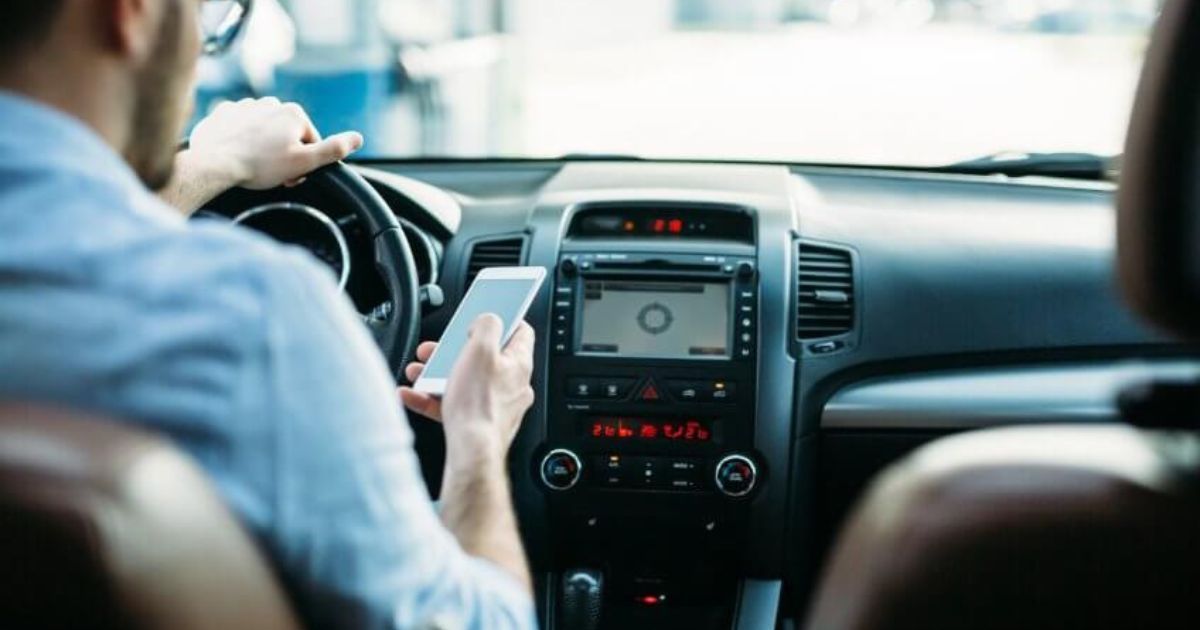
- Overconfident Driving: Some drivers may underestimate the dangers of winter conditions, leading to distracted driving (e.g., phone use, texting, maps, Spotify, TikTok) and speeding, as noted in Spada Law Group - Distracted Driving with Hands-Free Phone in Massachusetts. Do not use cruise or traction control on icy roads; drive slowly and leave extra space.
Statistics on Winter Driving Accidents
Winter weather significantly contributes to traffic accidents in Massachusetts and across the United States. According to the FHWA, about 70% of the U.S. population lives in areas that experience snowy and icy conditions, leading to over 135,000 injuries and more than 2,000 fatalities each year from accidents on snowy or icy roads. In Massachusetts, while the state ranks relatively low in winter traffic fatalities (43rd nationally with 17 deaths between 2018 and 2020, as per MoneyGeek - Worst States for Winter Driving), the risk remains present, especially in rural areas where emergency response times may be longer. Additionally, 20% of all car crashes year-round occur in snowy conditions, highlighting the need for heightened caution during winter months.
General Winter Driving Accident Statistics
| Statistic | Value |
|---|---|
| US Population in Snowy/Icy Areas | 70% |
| Annual Injuries from Snow/Ice Crashes | Over 135,000 (Nationwide) |
| Annual Fatalities from Snow/Ice Crashes | Over 2,000 (Nationwide) |
| MA Winter Traffic Fatalities (2018-2020) | 17 (State-Specific) |
| Crashes in Snowy Conditions | 20% (Nationwide, Year-Round) |
General Safe Driving Tips for Winter
To ensure safety on Massachusetts roads during winter, drivers should take proactive steps to prepare for the season's challenges, as supported by general driving safety guidelines. Regular vehicle maintenance, staying informed about weather conditions, and practicing defensive driving are key to avoiding accidents, applicable across all listed towns, from urban centers like Braintree to rural areas like Southborough.
Comprehensive List of Tips
- Clear Your Vehicle: Remove all snow and ice from your windshield, hood, roof, and headlights before driving. Snow or ice on your vehicle can obstruct your view and become a hazard to other drivers if it flies off, as noted in Mass.gov - Safe Winter Driving Tips.
- Drive Slowly: Reduce your speed to account for slippery roads. It can take up to 10 times longer to stop on icy roads compared to dry pavement, a strategy useful in areas like Norwood.
- Increase Following Distance: Maintain a greater distance between your vehicle and the one in front of you to allow for longer stopping distances, crucial in congested areas like Milton.
- Avoid Sudden Movements: Steer and brake gently to prevent skidding, especially important in rural areas like Upton.
- Use Headlights: Turn on your headlights to improve visibility for yourself and other drivers, a safety measure vital in foggy conditions across all listed towns.
- Stay Informed: Check weather forecasts and road conditions before traveling. If a winter storm is imminent, consider delaying your trip or using public transportation, as recommended by Mass.gov - Winter Weather Driving.
- Prepare for Emergencies: Keep an emergency kit in your car with items like blankets, food, water, a flashlight, and jumper cables in case you become stranded, a precaution necessary in remote areas like Southborough.
- If Stranded: Stay with your vehicle, turn on hazard lights, and call for help. Keep warm and safe while waiting for assistance, as advised by Mass.gov - In Case You Are Stranded While Driving in the Winter.
- Avoid Distractions: Put away your phone and focus on the road. Massachusetts law prohibits texting while driving, and hands-free use is recommended, as per Road Safety Tips for Massachusetts Drivers.
- Obey Traffic Laws: Always follow speed limits, stop signs, and traffic signals. Be particularly cautious in school zones and residential areas, a legal requirement across Massachusetts, including in towns like Whitman.
- Plan Your Route: Use navigation apps to avoid construction zones and plan for extra travel time during peak traffic hours, a strategy useful in high-traffic areas like Weymouth.
- Stay Sober: Never drive under the influence of alcohol or drugs. Massachusetts has strict DUI laws, and the consequences are severe.
Winter driving hazards in Massachusetts, including snow and ice on roads, reduced visibility, vehicle preparation, cold temperatures, and other risks, pose significant dangers to drivers across the state, including the listed towns. While town-specific statistics for winter were not readily available, general data and safety recommendations provide a comprehensive guide for safe driving. By following the outlined tips and staying vigilant, drivers can navigate these hazards effectively, ensuring safety on roads.