Safest Cars for Icy Roads: How to Avoid Winter Accidents and What to Do If You're Injured
Recent Posts




Frequently Asked Questions (FAQ)
How long does whiplash take to heal after a car accident?
Mild cases may resolve within days or weeks, while severe cases can take months. Rest, therapy, and following medical advice speed recovery.
How do I know if my whiplash is serious?
All whiplash injuries need medical attention. Persistent pain, numbness, or cognitive issues signal more severe injury. Documentation helps with legal claims.
Can a minor car accident cause whiplash?
Yes. Even low-speed collisions can transfer enough force to injure the neck.
Can whiplash symptoms get worse over time?
Yes. Without treatment, symptoms can worsen, potentially leading to chronic pain or long-term disability.
What is the average whiplash injury compensation in Massachusetts?
There’s no set amount. Compensation depends on severity, treatment needs, and long-term effects. To seek damages beyond PIP, your injuries must meet the $2,000 medical expense threshold or qualify as serious under state law.
How long does it take to settle a whiplash claim?
Some cases resolve in weeks, others may take months or longer. Settlement timelines depend on injury severity, evidence, and insurance negotiations.
- Safest Car Features for Icy Roads: Prioritize vehicles with AWD/4WD, at least 8 inches of ground clearance, electronic stability control (ESC), anti-lock brakes (ABS), traction control, and dedicated winter tires to improve grip and prevent skids on slick Massachusetts surfaces.
- Top Recommended Models (2024-2025):
Compact SUVs like Subaru Crosstrek and Honda CR-V AWD; Midsize SUVs like Subaru Outback and Toyota RAV4 Hybrid; Luxury SUVs like Volvo XC40 and Audi Q5 Quattro; Full-Size SUVs/Trucks like Chevrolet Tahoe 4WD and Jeep Wrangler; Sedans like Subaru Legacy AWD and Toyota Camry AWD-Subarus are especially reliable for MA's variable winter weather.
- Avoidance Tips: Slow down and increase following distance; accelerate and brake gently; steer into skids properly; check MassDOT for road conditions and prepare an emergency kit; avoid distractions and fatigue to minimize risks from black ice and snow.
- Legal Options If Injured:
Massachusetts is a no-fault state with PIP insurance covering up to $8,000 in medical bills and lost wages; sue for serious injuries exceeding thresholds (e.g., $2,000 in costs or permanent damage); document the scene, weather, and injuries promptly.
- Seek Professional Help:
Contact Jason Ranallo Law for free consultations on winter accident claims, specializing in compensation for whiplash, fractures, and long-term disabilities-no fees unless you win.
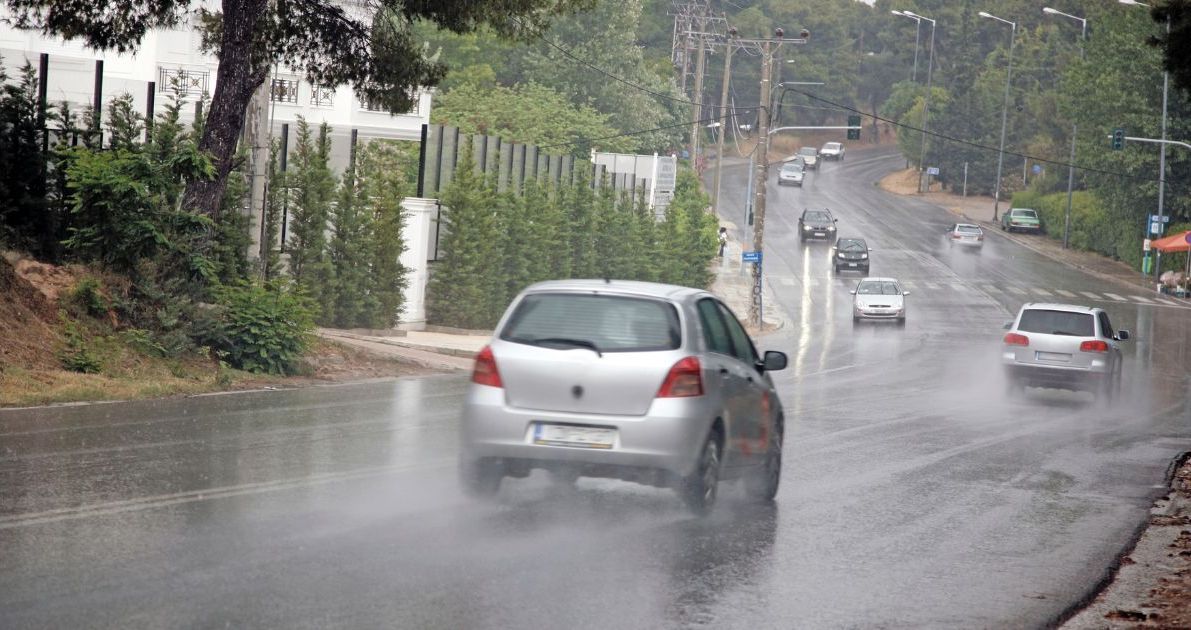
In Massachusetts, winter weather can turn everyday drives into hazardous ordeals. With black ice lurking on roads like I-90, Route 128, or even city streets in Boston, the risk of winter car accidents skyrockets. According to recent data, nearly 100,000 crashes were reported statewide in 2024, resulting in 245 fatalities and 1,720 serious injuries. Nationally, over 1,300 people die and more than 116,000 are injured annually on snowy or icy roads, with black ice contributing to about 150,000 accidents each year. In Boston alone, crashes jumped to 4,498 in 2023, including 68 serious-injury incidents and 16 fatalities-many tied to winter conditions.
These sobering statistics highlight why choosing the safest cars for icy Massachusetts roads is crucial. Features like all-wheel drive (AWD), high ground clearance, and advanced stability systems can make the difference between a safe arrival and a devastating crash. But even the best vehicle isn't foolproof-driver awareness and preparation are key to avoiding winter accidents in Massachusetts.
What are the Safest Cars for Icy Roads in Massachusetts?
When it comes to handling icy Massachusetts roads, not all cars are created equal. Automotive experts emphasize vehicles with AWD or four-wheel drive (4WD), at least 8 inches of ground clearance, electronic stability control (ESC), anti-lock brakes (ABS), and traction control. These features improve grip, prevent skids, and enhance overall control on slick surfaces. Winter tires are non-negotiable, as all-season tires lose effectiveness below 45°F, increasing crash risk by up to 25% on ice.
Based on 2025 rankings from sources like U.S. News, Car and Driver, and iSeeCars, here are top recommendations tailored for New England's harsh winters. These models excel in snowy regions like Massachusetts, where black ice on bridges and overpasses is a common threat. We focused on 2024-2025 models, including affordable used options, for their proven performance in ice and snow.
| Category | Model Examples | Why Safer on Ice |
|---|---|---|
| Compact SUVs/Crossovers | Subaru Crosstrek, Subaru Forester, Honda CR-V AWD, Mazda CX-5 | Subaru's symmetrical AWD provides superior traction on icy hills; CR-V's Real Time AWD and high clearance (8.2 inches) handle MA slush well. Mazda's i-ACTIV AWD adjusts torque in real-time for stability. |
| Midsize SUVs | Subaru Outback, Toyota RAV4 Hybrid, Jeep Grand Cherokee, Ford Bronco Sport | Outback's 8.7-inch clearance and AWD make it a MA favorite for deep snow; RAV4's electronic AWD excels on slippery highways like the Mass Pike. Jeep's 4WD with terrain modes conquers uneven icy roads. |
| Luxury SUVs | Volvo XC40, Volvo XC90, Audi Q5 Quattro, Acura MDX | Volvo's intelligent AWD and safety tech (like pilot assist) shine in Boston winters; Quattro system grips ice exceptionally. MDX's Super Handling AWD prevents skids on curvy routes. |
| Full-Size SUVs/Trucks | Chevrolet Tahoe 4WD, Toyota Sequoia, Jeep Wrangler | Tahoe's weight and 4WD offer stability on MA's rural icy roads; Sequoia's high clearance (9.1 inches) and AWD suit family hauls in snow. Wrangler's off-road prowess handles extreme conditions. |
| Sedans | Subaru Legacy AWD, Toyota Camry AWD, Mazda3 Sedan AWD | AWD sedans like Legacy provide surprising grip for commuters; ideal for MA highways where clearance isn't as critical but traction is. |
Avoid rear-wheel-drive sports cars or low-clearance vehicles, as they fishtail easily on ice. In Massachusetts, Subarus dominate recommendations due to their reliability in our variable weather - perfect for everything from Nor'easters to black ice surprises. Always pair these with dedicated winter tires for optimal safety.
Safety Tips to Prevent Ice-Related Injuries
Even in the safest cars for icy Massachusetts roads, human error causes most winter accidents. Black ice, which forms invisibly on pavements, is especially treacherous, contributing to thousands of crashes here annually. Follow these expert tips from AAA, NHTSA, and TxDOT to minimize risks:
Slow Down and Increase Distance
Reduce speed to account for reduced traction-icy roads can triple stopping distances. Maintain at least three times the normal following gap (e.g., 10-12 seconds behind the car ahead).
Accelerate and Brake Gently
Avoid sudden moves; apply gas slowly to regain traction and use firm, steady pressure on brakes (let ABS do the work-don't pump).
Handle Skids Properly
If your rear wheels skid, steer in the direction you want to go. For front-wheel skids, ease off the gas and straighten the wheel.
Check Conditions and Prepare
Use MassDOT's real-time road updates for black ice alerts on bridges and shaded areas. Equip your car with an emergency kit (blankets, flashlight, sand for traction) and ensure tires, wipers, and fluids are winter-ready.
Avoid Distractions and Fatigue
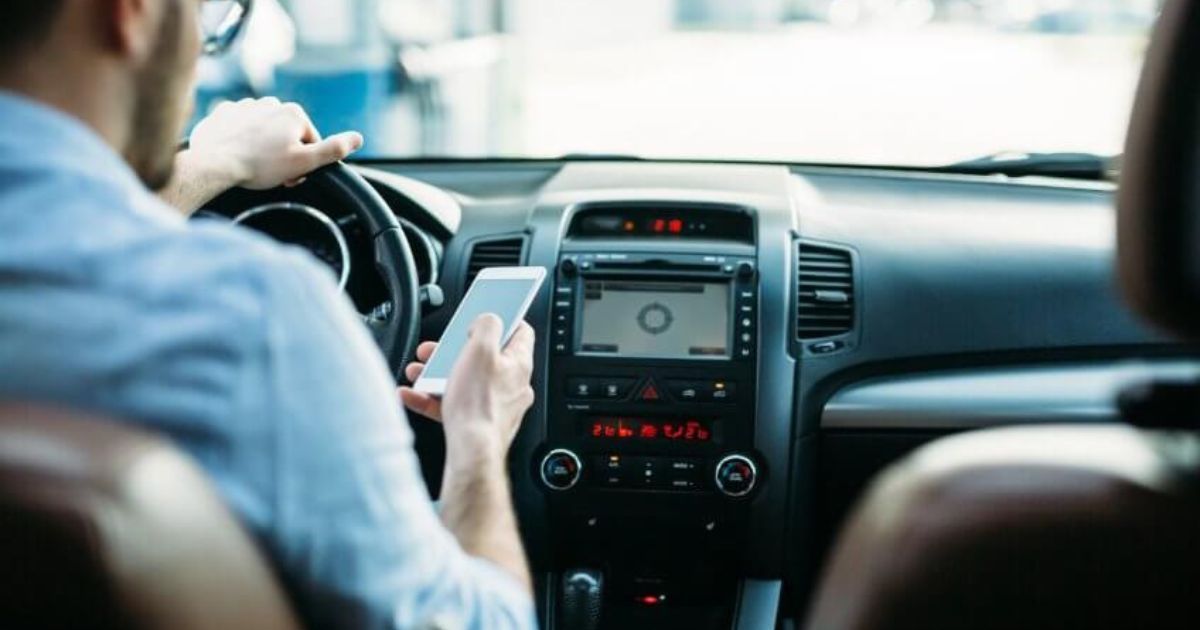
Winter driving demands full attention-put away phones and rest if tired, as reduced visibility amplifies risks.
By adopting these habits, you can significantly lower your chances of a winter car accident in Massachusetts. Remember, distracted driving and speeding are top causes statewide.
Legal Insights from a Personal Injury Perspective
If prevention fails and you're injured in an ice-related crash, understanding Massachusetts law is vital. As a no-fault state, your Personal Injury Protection (PIP) insurance covers initial medical bills, lost wages (up to 75%), and related expenses, regardless of faul, up to $8,000 per person. This system speeds up minor claims but limits lawsuits unless injuries meet a "serious" threshold: medical costs over $2,000, permanent disfigurement, broken bones, or significant impairment.
For severe cases, you can sue the at-fault driver for pain and suffering, additional lost income, and more. Common scenarios include negligent snowplow operations or another driver's recklessness on ice. Document everything: photos of the scene, weather reports, witness statements, and medical records. Delays can weaken your case, so consult a personal injury lawyer promptly.
At Jason Ranallo Law, we specialize in winter accident claims in Massachusetts. We've secured compensation for victims dealing with whiplash, fractures, or long-term disabilities from black ice crashes. If PIP falls short, we'll negotiate with insurers or litigate to maximize your recovery. No fees unless we win call us today.
Personal Injury Jason Ranallo is Here to Help
As personal injury lawyers at Jason Ranallo Law, we've represented countless victims of ice-related crashes across the Commonwealth. From slip-and-slide multi-vehicle pileups to single-car spins on black ice, we've seen the physical, emotional, and financial toll. This guide draws on the latest 2025 research to help you select safer vehicles, shares essential tips to prevent injuries, and explains your legal options if an accident occurs. Whether you're commuting in Worcester or navigating Boston's snowy streets, staying informed can save lives. If you've been injured in a winter car accident, our team is here to help. Contact us for a free consultation.
FAQs: Safest Cars and Winter Accidents in Massachusetts
What makes a car safer on icy roads?
Key features include AWD/4WD, high ground clearance (8+ inches), ESC, ABS, and winter tires for better traction and control.
Which cars are best for Massachusetts winters?
Top picks include Subaru Outback, Toyota RAV4, Honda CR-V, and Jeep Grand Cherokee due to their AWD and snow-handling capabilities.
How common are winter car accidents in MA?
In 2024, MA saw nearly 100,000 crashes, with many linked to ice and snow; Boston alone had over 4,000 in 2023.
What should I do immediately after an ice-related crash?
Ensure safety, call 911, document the scene, seek medical care, and contact your insurer. Consult a lawyer if injuries are serious.
Can I sue after a winter accident in Massachusetts?
Yes, if injuries exceed the no-fault threshold (e.g., $2,000 in medical bills or permanent harm), you can pursue the at-fault party.
Do I need winter tires in MA?
While not legally required, they're highly recommended; they reduce stopping distance on ice by up to 25%.
How does black ice form, and how can I spot it?
It forms when moisture freezes on cold pavement, appearing shiny or wet. Watch for it on bridges, shaded areas, and early mornings.
What if another driver causes my ice accident?
Under no-fault, PIP covers basics, but you can sue for extras if thresholds are met. A lawyer can assess fault based on negligence.